The Clarkston Tax Bill on the Listing Isn't the One You'll Pay
August 20, 2026
August 20, 2026
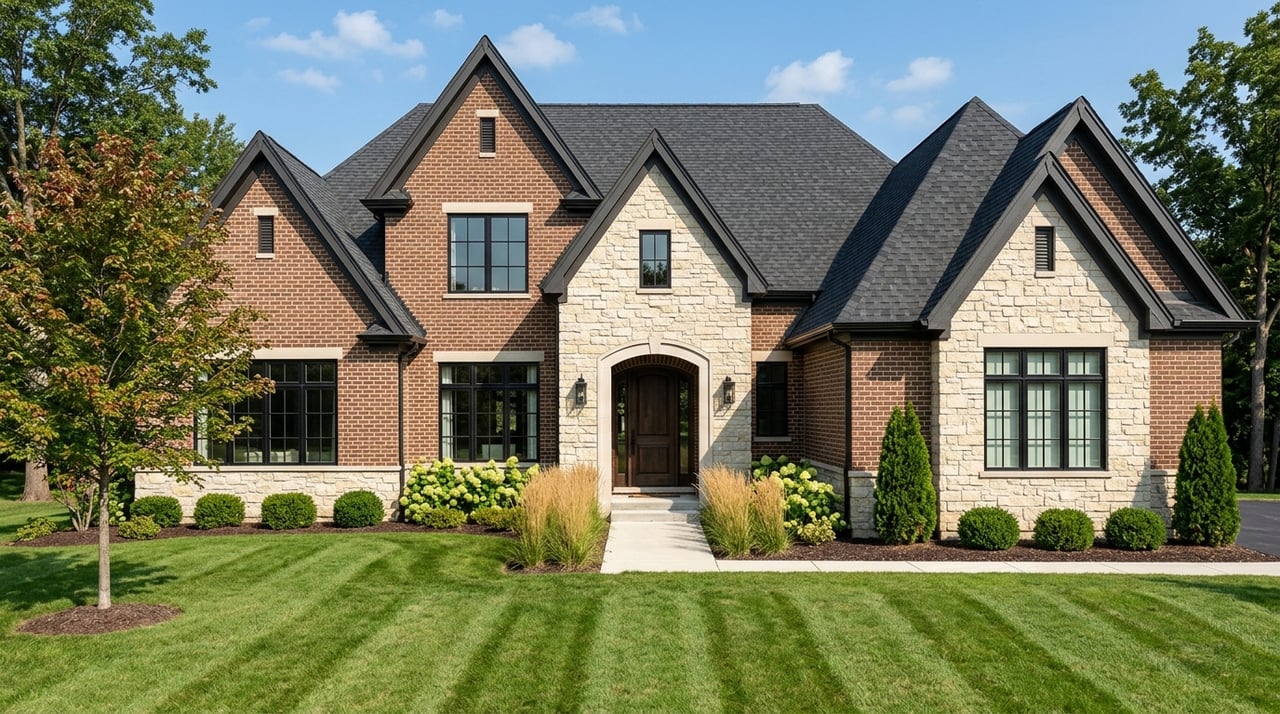
Two colonials sit three doors apart in Independence Township. Same builder, same 2,800 square feet, same finishes down to the crown molding. One owner has lived there since 2011 and pays a tax bill that would make a neighbor down the street wince with envy. The other bought two years ago and pays nearly twice as much for what is, on paper, an identical house.
Nothing about the second house is worth more. The gap is entirely about the calendar, and it is the single most common surprise buyers moving into Clarkston and Independence Township run into after closing.
Michigan runs property taxes on two different numbers that rarely match. The State Equalized Value is meant to track the real market, set every year at roughly half of what an assessor believes the home would sell for. The Taxable Value, the number your actual bill is calculated from, is not allowed to grow nearly that fast. Under Proposal A, passed by Michigan voters in 1994, Taxable Value can rise no more than the rate of inflation or 5 percent, whichever is lower, for as long as the same owner holds the property. For the 2026 tax year, the Michigan State Tax Commission set that inflation multiplier at 1.027, meaning existing Taxable Value could grow by no more than 2.7 percent over 2025 levels.
That cap is a gift to whoever stays put. It is also the reason two identical houses on the same street can carry wildly different bills. The homeowner who bought in 2011 has had over a decade of 2 to 5 percent caps compounding on a modest starting number. The neighbor who closed in 2024 inherited a Taxable Value that reset to the full State Equalized Value the year after the sale, wiping out every year of someone else's capped growth in a single transaction.
This is what the assessor's office calls uncapping, and it is triggered by the transfer of ownership itself, not by anything the new owner does to the house.
Picture a $425,000 home in Independence Township. The prior owner had held it long enough that their capped Taxable Value sat well below half the home's current market value, so their tax bill looked modest relative to what the house would actually sell for. The year after closing, the new Taxable Value resets to the current State Equalized Value, roughly half of that $425,000 figure. Apply the total local mill rate for the area, which typically falls between about 32.2 and 34.6 mills depending on the exact address and school district, and the new owner's first full-year bill lands somewhere in the neighborhood of $6,500 to $7,500 annually. The seller may have been paying meaningfully less on the exact same structure.
None of that means the seller's disclosed tax amount on the listing was wrong. It means it was never a preview of the buyer's bill in the first place. It was a snapshot of someone else's ownership tenure.
Independence Township's own portion of that mill rate, separate from county, school, and state education taxes, breaks down into a handful of named levies: a General Operating millage of 0.8806, a Fire millage of 3.8379, a Police millage of 2.8282, and a Safety Path millage of 0.4103. Together those four township-level mills add up to a little over 8, which is only a fraction of the 32 to 34 total mills a homeowner actually pays once the Clarkston Community Schools operating millage, county allocations, and state education tax are layered on top. The rest of the total comes from those other layers, which is why a single township millage rate never tells the whole story of a tax bill.
Independence Township voters had a chance on the August 4, 2026 primary ballot to change two of those numbers, and they said no to both. A new School Resource Officer millage, .32 mills earmarked specifically for the officers assigned to Clarkston Community Schools, failed with 56.79 percent of voters against it. A renewal and increase to the existing Police Protection millage, which would have moved the rate from 2.8282 mills back up to 3.2 mills through 2029, failed as well.
For anyone closing on a home in the township this year or next, that outcome matters more than it might seem. The Police Protection millage had already been reduced by required rollbacks before this vote, and its renewal attempt failed, so the funding mechanism behind current levels of police service in Independence Township remains unsettled going into the next budget cycle. Buyers evaluating a home right now are looking at a millage structure that township officials may bring back to voters again, not one that is locked in for the next four years the way the ballot language proposed.
There is a real lever new owners can pull, and it is easy to miss in the rush of closing paperwork. The Principal Residence Exemption removes 18 mills of local school operating tax from a primary residence, which on a $200,000 Taxable Value works out to roughly $1,800 a year in savings. It is not automatic. Buyers have to file Form L-4013 with the local assessor by June 1 for the summer tax bill or November 1 for the winter bill. Miss that filing and the 18 mills stay on the bill until the paperwork catches up, and the exemption only ever applies to one property per owner, so it will not extend to a second home or a rental.
If you are building new rather than buying resale, the timing shifts again. The assessor does not set a Taxable Value on new construction until the certificate of occupancy is issued, so the uncapping and the first real tax bill both land later than most move-up buyers expect, often catching them off guard on the first full year after the walk-through.
Every Michigan municipality holds its Board of Review the second week of March, with at least 12 hours of sessions across that week. The 2026 session ran the week of March 9, and it has already closed for this cycle, which means anyone closing on a Clarkston or Independence Township home later this year will be working with next March's window if they want to challenge an assessed value. From there, an owner who wants to push further can take the case to the Michigan Tax Tribunal, where filing windows and deadlines vary by property type, and a recent arm's length purchase price is often the clearest piece of evidence a new owner can bring, since it reflects true cash value more directly than a formula.
The practical takeaway for anyone under contract right now: don't wait for the assessor's uncapping notice to show up before you start asking what your Taxable Value will reset to. Ask your agent or title company to pull the current State Equalized Value on the property before you close, and calendar next March so you're not scrambling to gather comparable sales in the final week of an appeal window that only opens once a year.
Does the tax amount shown on a Clarkston listing predict what I'll pay? No. That figure reflects the current owner's capped Taxable Value, which resets to the State Equalized Value the year after the sale closes. Ask for the current SEV separately if you want a realistic estimate.
Can a family member add me to the deed to avoid the reset? Some transfers between spouses or to qualifying relatives are exempt from uncapping, but adding an adult child to a deed for reasons like avoiding probate can trigger uncapping on their ownership share. This is a case where a conversation with an attorney before any deed change is worth more than a shortcut.
Does the failed August 2026 police millage mean my tax bill will go down? Not necessarily. The millage had already been reduced by rollback before the vote, and its failure to renew or increase means the township now has to decide how to fund police protection going forward, likely including another ballot attempt. Watch for that conversation if you're planning to be in the township long term.
Buying a home in Clarkston or the surrounding township means budgeting for the house you're about to own, not the tax bill the seller happened to inherit from an earlier market. If you want a clear read on what a specific property's Taxable Value will look like after closing, or you're weighing how a sale might affect your own bill before you list, Sally Hendrix and the team can walk through the numbers with you before you sign anything. Start with a free home valuation or take a look at our buyer's guide for the rest of what closing on a Clarkston home actually involves.
We are dedicated to helping you find your dream home and assisting with any selling needs you may have. Contact us today to start your home searching journey!