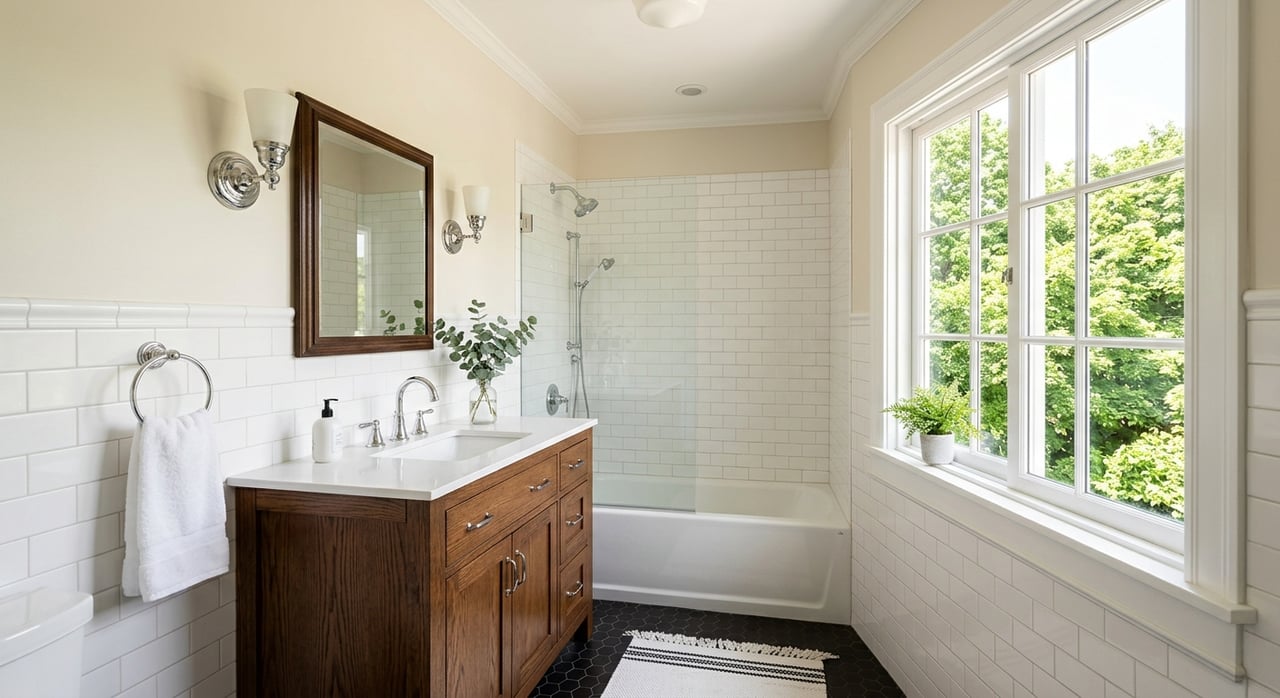
Renovate or Sell As-Is in Clarkston: What Makes Sense?
July 9, 2026
July 9, 2026
If you are getting ready to sell your Clarkston home, one big question can shape everything that comes next: should you renovate first, or list the home as-is? It is a fair question, especially in an area where many homes are older and every project seems to come with a price tag, a timeline, and a little uncertainty. The good news is that in Clarkston’s current market, you do not always need a full overhaul to make a strong impression. In this guide, you will learn when updates are worth it, when as-is makes more sense, and how to choose the path that fits your goals. Let’s dive in.
Before you spend money on renovations, it helps to look at what the local market is already telling you. In March 2026, the Clarkston area was described as a seller’s market, with a median listing price of $421,990, 89 active listings, a median 29 days on market, and an average 100% sale-to-list ratio. Oakland County data also showed a median sale price of $382,353 in May 2026, up 2.4% year over year, with homes selling in a median of 15 days and 44.5% closing above list price.
That kind of activity matters because it means many sellers are not starting from a weak position. Buyers are still active, and well-priced homes can move quickly. In a market like this, the smartest strategy is often not to renovate everything, but to focus on the updates that help your home show well and avoid obvious red flags.
Clarkston is not a market where every home is brand new and styled the same way. According to the city’s master plan, nearly 70% of homes were built before 1950, and only three housing structures have been built since 2000. That older housing stock means many sellers are dealing with original features, dated finishes, or maintenance items that today’s buyers notice right away.
At the same time, Clarkston is an established community where older homes are part of the local character. The city’s zoning language reflects a goal of preserving older residential and commercial structures. So while buyers may expect a home to feel clean, cared for, and functional, they may not expect every property to look like a brand-new build in a newer subdivision.
A pre-sale update is usually worth considering when it improves first impressions, supports buyer confidence, or helps prevent financing or inspection issues. In other words, the best projects are often the ones that make your home feel well-maintained and move-in ready without turning into a long construction job.
Research on buyer behavior supports that approach. A 2025 remodeling report found that 46% of buyers are less willing to compromise on home condition. The same research also showed that staging can help, with 29% of agents reporting a 1% to 10% increase in dollar value offered and 49% saying staging reduced time on market.
If you are going to spend money before listing, focus on projects that most buyers will notice right away.
These tend to include:
These are usually easier to manage than a full remodel, and they directly affect how buyers feel when they walk in. They also fit Clarkston especially well, where many homes benefit more from polished presentation than from expensive, last-minute reinvention.
Not every project gives you the same return. The 2025 remodeling report found especially strong cost recovery for:
That does not mean every home needs these exact upgrades. It does mean smaller, visible improvements can sometimes make more financial sense than a major kitchen or bath remodel that may not fully pay you back.
It is easy to assume that more improvement equals more profit. In reality, major pre-sale renovations can be expensive, time-consuming, and harder to finish cleanly before your listing goes live.
In Clarkston, that risk is even more important because the market is already relatively active. If buyers are still competing for well-presented homes, a full kitchen or bathroom overhaul may not create enough added value to justify the cost, delay, and stress.
A major renovation can also create a mismatch between your timeline and the market. If you spend weeks or months under construction, you may miss the chance to list while demand is still strong. And if the work is not fully complete or consistently designed, buyers may focus more on what still feels unfinished than on what was upgraded.
Listing as-is can be the right move when your home needs work, but the math or timeline does not support doing it all before you sell. This is often true when the needed work is mostly cosmetic, when cash flow is tight, or when you would rather price the home accordingly and let the next owner make changes over time.
In a seller-favored market, buyers may still be willing to take on some updates, especially if the home has a desirable location, lot, layout, or overall condition. That does not mean buyers will ignore flaws. It means you may not need to fix every dated surface to attract interest.
Even if you list as-is, presentation still matters. As-is usually refers to the condition in which you are selling the property, not to whether you clean it, declutter it, or market it well.
You can still take practical steps that improve the showing experience without launching a full renovation:
This approach often gives sellers the best balance between effort and outcome.
One reason some sellers choose not to renovate before listing is simple: major work can get complicated fast. Michigan says a permit is required before construction, while ordinary repairs do not require one. Work affecting structural members, egress, plumbing, electrical wiring, or mechanical systems can move into permit territory.
That matters because permits can add time, cost, inspections, and more chances for delays. If your goal is to sell efficiently, a large pre-listing project may create more friction than value, especially if the work goes beyond cosmetic improvements.
For many Clarkston homeowners, age of the home is a key part of the decision. If your home was built before 1978, lead-based paint rules may apply. Sellers must disclose known lead-based paint information and hazards, provide available records and the required pamphlet, and give buyers an opportunity to inspect.
Paid renovation work that disturbs painted surfaces in pre-1978 housing also has to follow lead-safe requirements. In practical terms, that can make a major pre-sale project more involved than it first appears. For some sellers, that is another reason a lighter cosmetic approach or an as-is strategy makes more sense.
Some Clarkston properties may also face added local review issues. In designated historic areas, rehabilitation work must comply with the local historic district ordinance, State Historic Preservation Office standards, and U.S. Department of the Interior rehabilitation standards.
If your home falls into that category, major changes may not be as simple as choosing finishes and hiring a contractor. Understanding those limits early can help you avoid starting a project that delays your sale.
If you are unsure which route to take, use this practical framework.
Start with issues that could affect safety, financing, or a buyer’s confidence. Roof concerns, major mechanical problems, or visible maintenance items may deserve attention before you list.
If the home is basically sound, focus on improvements with broad appeal. Paint, cleaning, staging, lighting, and curb appeal often do more for your listing than a costly remodel.
Be cautious about full kitchen, bath, or structural projects unless you have a strong reason to believe they will improve your result. In many cases, especially in Clarkston’s current market, the resale lift is simply too uncertain.
If you need to move quickly, listing as-is or doing only light prep may be the better option. If you have time and a few strategic updates could clearly improve the home’s presentation, a targeted pre-listing plan may be worth it.
For many Clarkston sellers, the strongest strategy is not full renovation and not pure hands-off as-is. It is a middle path: fix what matters, refresh what buyers see first, and present the home beautifully.
That approach fits the reality of the local market. Clarkston has older housing stock, limited new construction, and a still-competitive environment where good presentation can go a long way. In that setting, targeted updates and strong marketing often make more sense than an expensive pre-sale overhaul.
If you want help deciding which improvements are worth making before you list, Sally Hendrix can help you create a smart, property-specific plan that fits your timeline, budget, and goals.

We are dedicated to helping you find your dream home and assisting with any selling needs you may have. Contact us today to start your home searching journey!