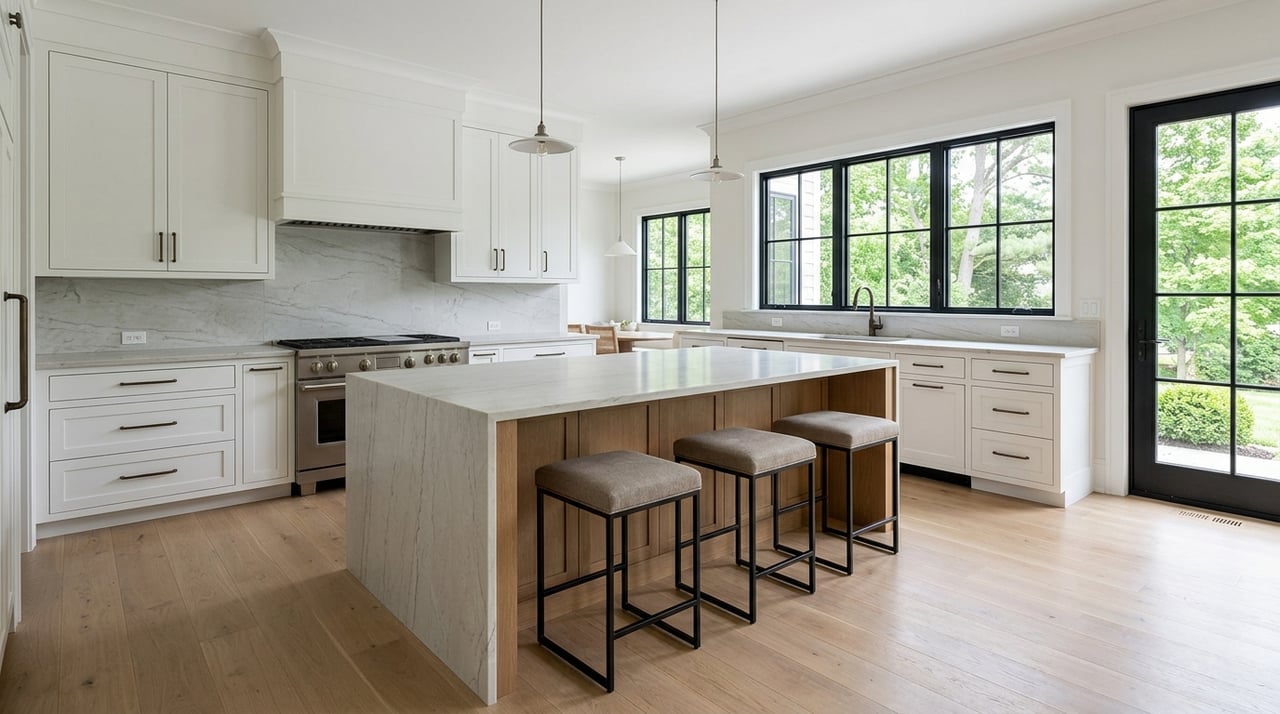
Step-By-Step Plan To List Your Springfield Township Home
May 28, 2026
May 28, 2026
Selling a home in Springfield Township can feel simple at first, until you start thinking about pricing, prep, disclosures, showings, and timing. If you want a smooth sale and a strong result, it helps to follow a clear plan instead of making decisions one by one under pressure. This step-by-step guide will show you how to prepare, price, market, and close your home with more confidence in today’s local market. Let’s dive in.
Springfield Township is part of Oakland County, but it does not always move exactly like the county as a whole. Public market trackers show Springfield Township with a higher price point than the broader county, with median list prices around the low to mid-$500,000s and homes spending roughly two months on market. Oakland County overall has shown a lower median listing price and a shorter median time on market.
That gap matters when you list your home. A rural township property with land, natural views, or private systems may need a more tailored strategy than a typical suburban listing nearby. Instead of using a countywide rule of thumb, your pricing plan should come from a property-specific comparative market analysis.
One of the first decisions you make shapes everything that follows. In Michigan, agency relationships and the duties tied to them must be explained before you share confidential information, so it is smart to choose your representation early in the process.
When you do, you create a clearer path for pricing, disclosures, marketing, and negotiation. You also avoid scrambling later when timing becomes more important. For many sellers, that early planning helps reduce stress from the start.
You want an agent or team that understands Oakland County pricing patterns and knows how to position homes in a higher price band. In Springfield Township, that can be especially important if your property has acreage, recreation appeal, private well or septic systems, or features that do not fit a cookie-cutter comparison.
A strong listing team should also bring a polished launch strategy. That includes clear guidance on staging, professional photography, marketing exposure, and offer strategy, not just a yard sign and a price suggestion.
Before your home goes live, take time to prepare it for photos, showings, and buyer scrutiny. A pre-sale inspection is not required in Michigan, but it can help uncover issues that may affect your price or become negotiation points later.
Even if you skip a pre-sale inspection, basic preparation still matters. Buyers notice condition quickly, and first impressions influence how they respond to your list price.
Start with the items that improve how your home looks and feels right away. Clean windows, carpets, lighting fixtures, and walls. Store away clutter so rooms feel more open and easier to understand.
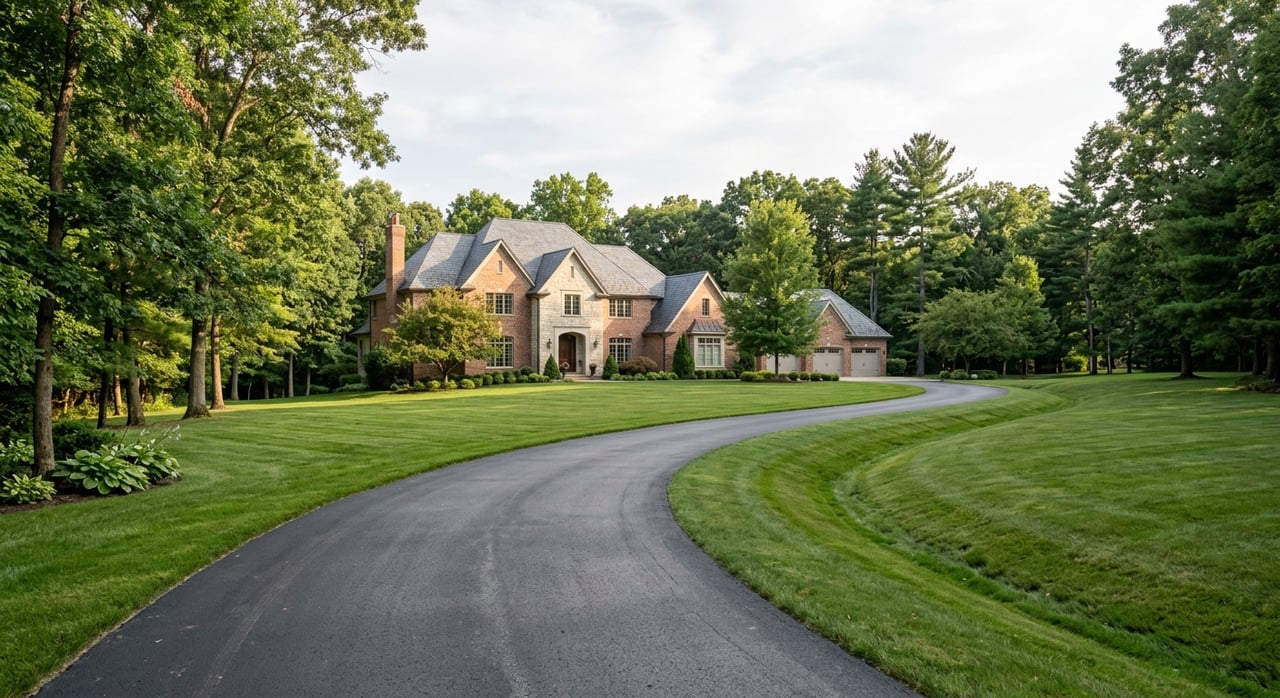
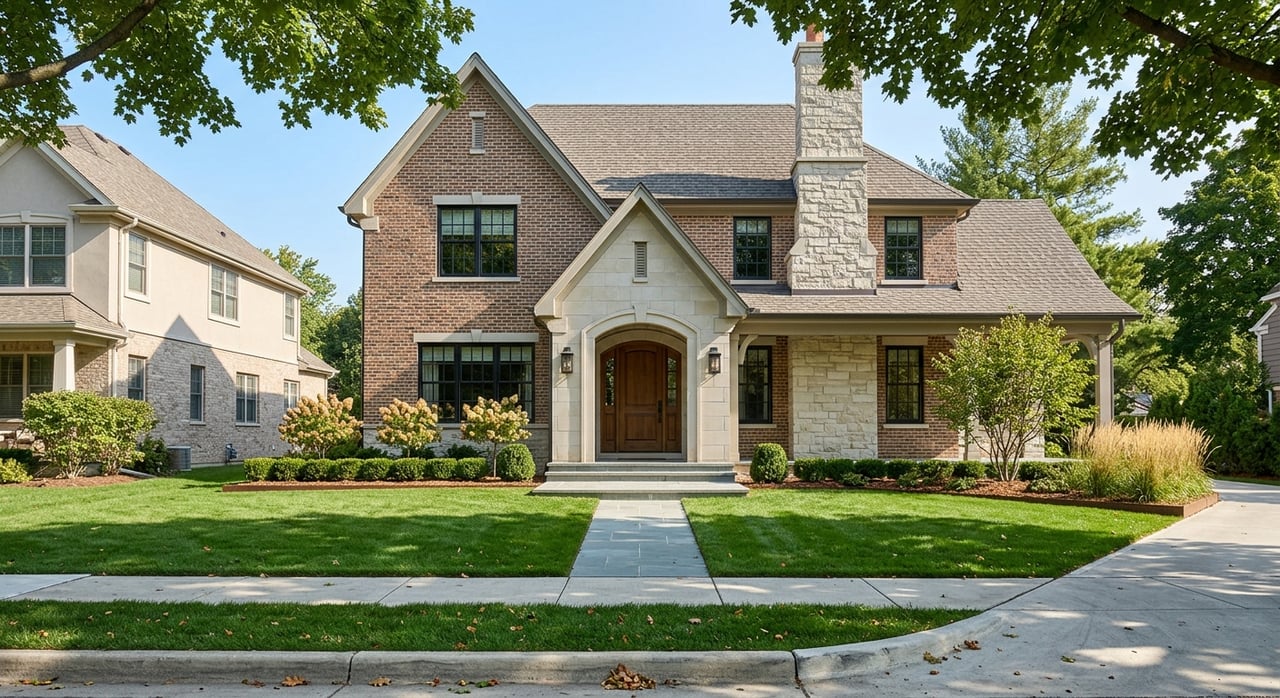
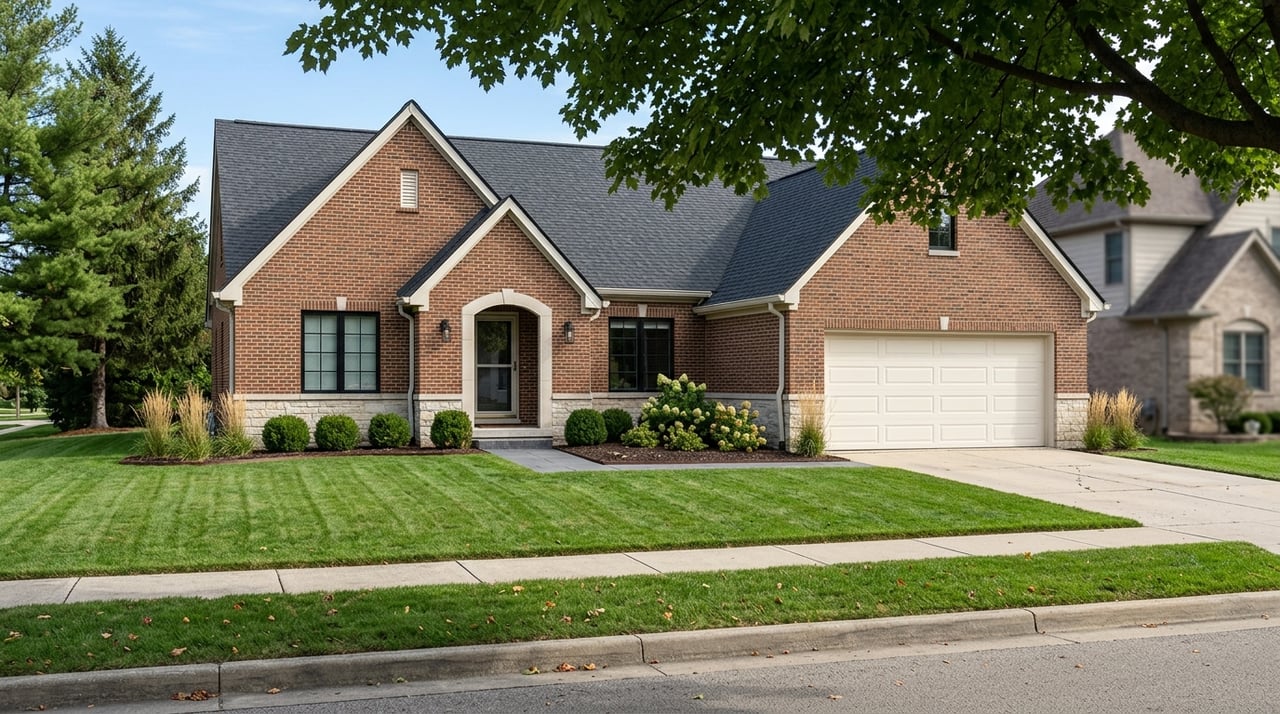
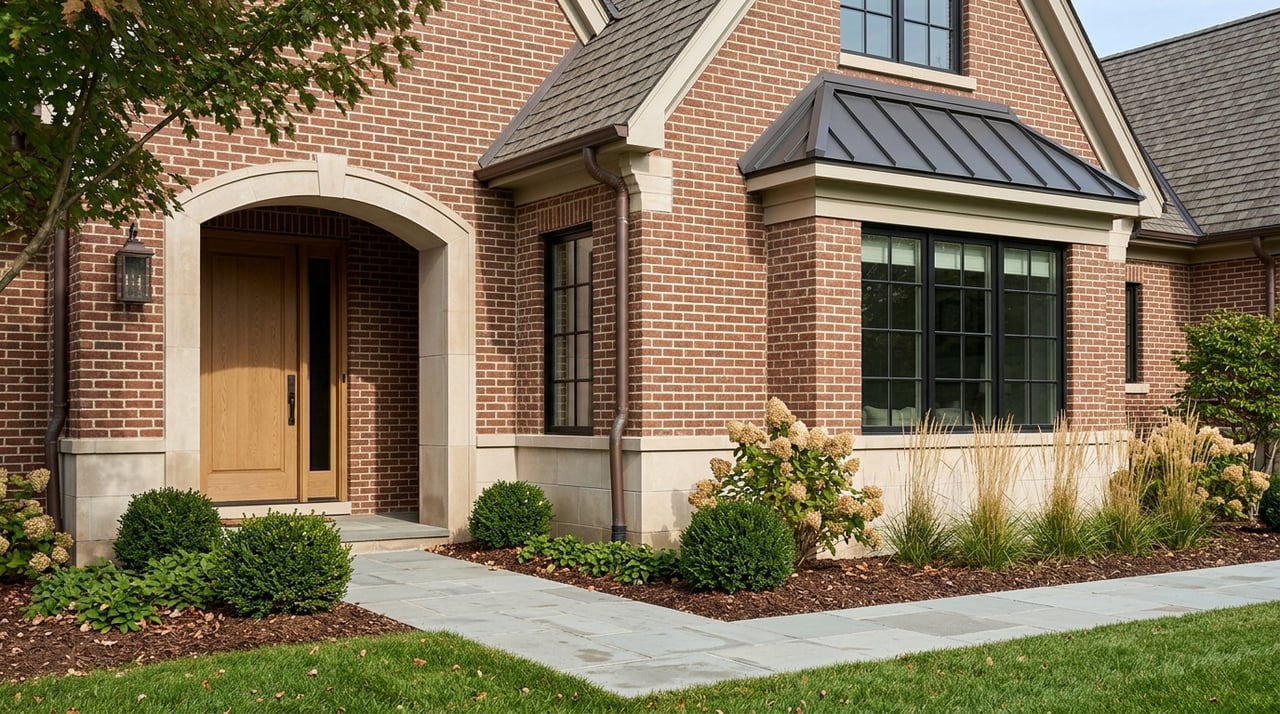
You should also give attention to curb appeal. In a place like Springfield Township, where scenic surroundings and outdoor space are part of the appeal, your exterior presentation can shape the buyer’s expectations before they even step inside.
As you prepare, gather warranties, manuals, and service information for systems and appliances that will stay with the home. This may seem small, but it helps you stay organized and makes it easier to answer buyer questions later.
If your property has a private well or septic system, check records and guidance early. Oakland County notes that private well owners are responsible for testing water, recommends annual bacteria and nitrate or nitrite sampling, and oversees septic permits and related inspections.
In Michigan, most transfers of one- to four-unit residential property are covered by the Seller Disclosure Act. That means you generally need to provide a written seller disclosure before you sign a binding purchase agreement.
This disclosure is based on your knowledge of the property. It is not a warranty, and if you truly do not know the answer to a question, the law allows you to mark that item as unknown.
Disclosure timing is not just a paperwork detail. If the disclosure is delivered late, the buyer may have a short window to terminate the agreement.
That is one more reason to get organized before your home hits the market. When your documents are ready early, you can reduce delays and avoid preventable issues during negotiations.
Pricing is one of the most important parts of your listing plan. National and countywide numbers can give useful context, but they cannot tell the full story of your specific home.
The most effective list price should reflect comparable sales, your home’s condition, upgrades, and current market conditions. In Springfield Township, where public data suggests a higher price tier and homes may vary widely by lot size and features, precise pricing matters even more.
A smart list price is not about picking the highest number you hope a buyer will accept. It is about choosing a number that fits the market well enough to attract serious attention and support strong negotiations.
You can interview multiple agents and still keep the final say over your asking price. That said, the best decision usually comes from local data, honest feedback, and a clear understanding of how buyers are likely to compare your property to others.
Once your home is ready and priced, your launch should feel coordinated and complete. Marketing works best when the presentation, price, and timing all support each other.
A strong launch often includes staging, professional photography, online exposure, social media promotion, signage, open houses, and MLS placement. Broad MLS exposure is especially important because it typically gives your listing the widest reach.
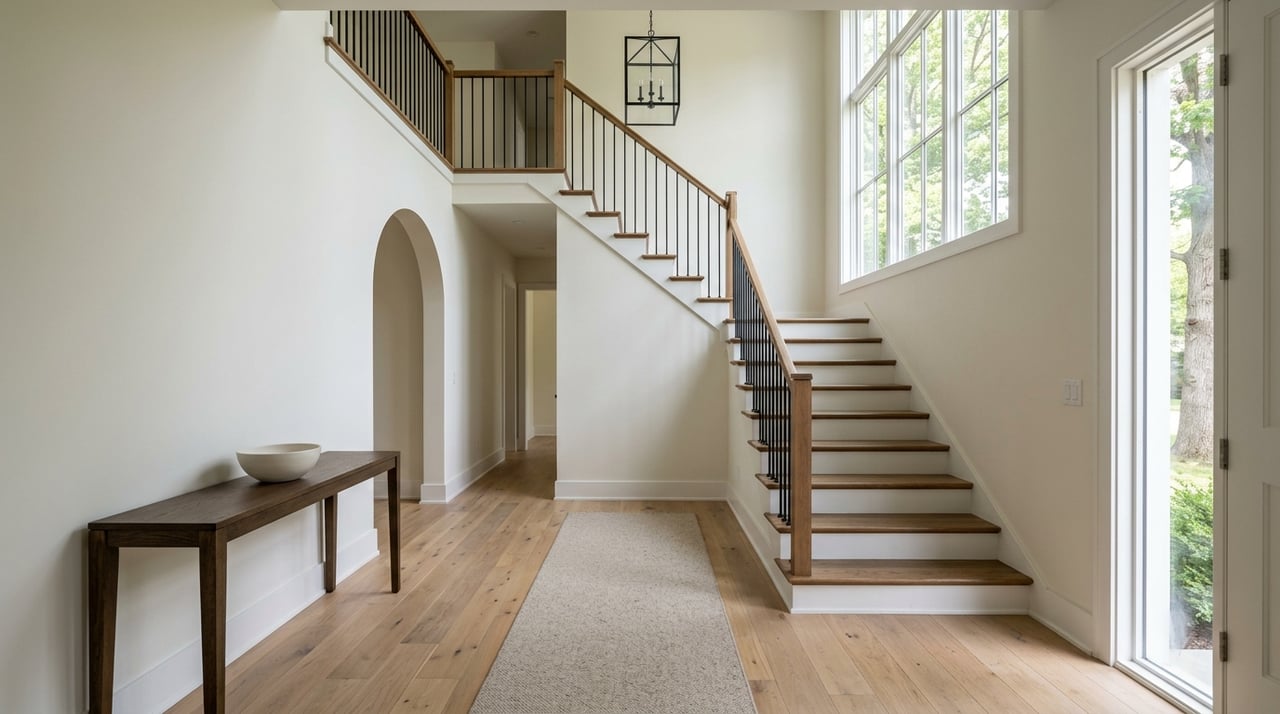
Staging is not just about decoration. It helps buyers picture the property as their future home, which can make your listing easier to connect with emotionally and practically.
That matters in Springfield Township’s price range, where buyers often expect a more polished presentation. If your home enters the market looking clean, intentional, and photo-ready, you give yourself a better chance of making a strong first impression.
The first days on market often bring the most attention. If your home is fully ready when it goes live, you are more likely to benefit from that early wave of interest.
Consumer guidance also notes that holding the first open house the weekend after the listing goes live can help maximize attention. That kind of launch plan can create momentum instead of forcing you to fix details after buyers have already seen the home.
Showings are easier when you do not reinvent the process every time. A repeatable checklist helps your home stay ready and reduces last-minute stress.
Before each showing, pick up clutter, clear counters, wipe surfaces, open window treatments, and turn on lights. You should also hide valuables and medications, secure firearms, disable the alarm if needed, and take pets with you.
Buyers respond better when they can move through a home without distractions. A bright, clean, and calm environment makes it easier for them to notice the space itself rather than the day-to-day details of living in it.
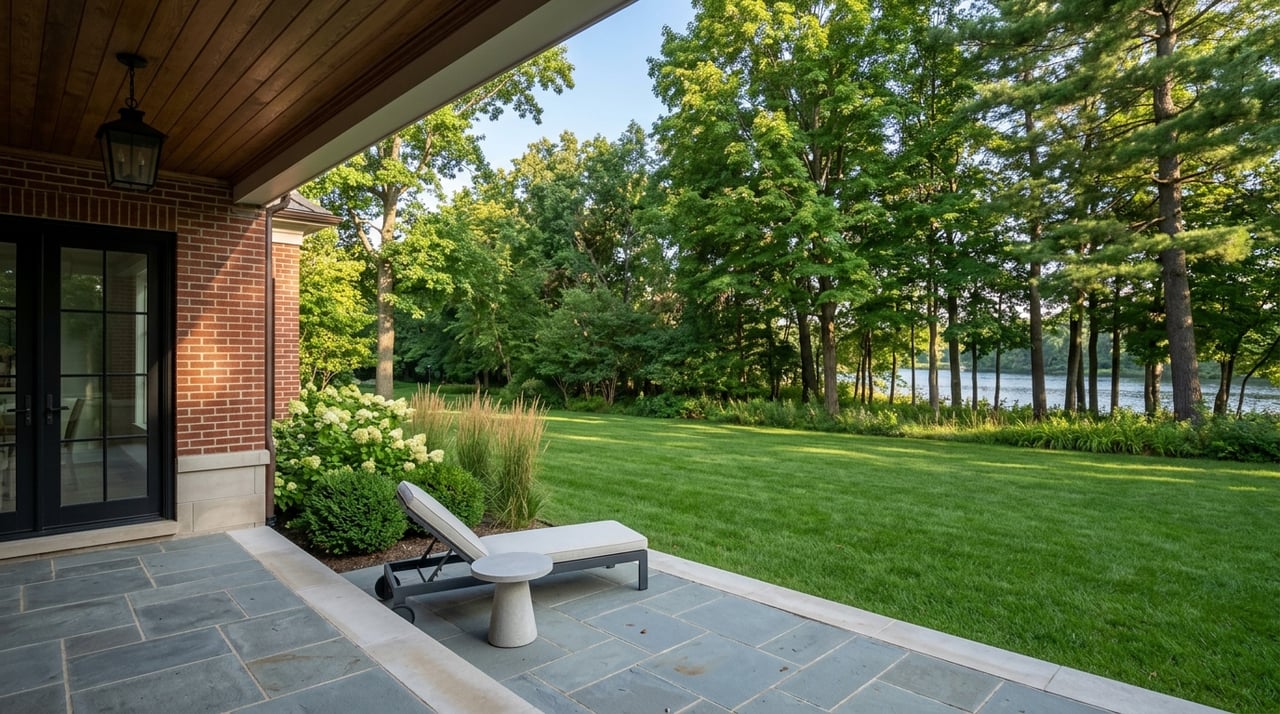
If your home has scenic views, mature trees, or lot features that set it apart, make sure those elements are easy to see during showings. In Springfield Township, natural surroundings can be part of what makes a property memorable.
The highest offer is not always the strongest offer. Price matters, but so do financing terms, contingencies, timing, and the buyer’s overall ability to close.
Once offers come in, review them carefully with your agent. A strong strategy looks at the whole package, including whether the buyer is financing, what contingencies are included, and how likely the transaction is to stay on track.
Seller concessions can sometimes help keep a deal together or make your listing more appealing. Depending on the situation, concessions may help cover items like title search costs, loan-related charges, inspection costs, taxes, repairs, or updates.
This can be useful if your home needs work or if a buyer needs help with upfront costs. The right move depends on your goals, the offer terms, and how your home is positioned in the current market.
After you accept an offer, the buyer may conduct inspections if the contract includes an inspection contingency. Some buyers waive that contingency in competitive situations, but inspections are still common.
If issues come up, the next step is usually negotiation. Buyers and sellers often work through repairs, credits, or price adjustments rather than starting over completely.
If the buyer is using financing, the lender will usually require an appraisal and title search before closing. The appraisal helps support the loan amount, while the title search helps identify liens or other title issues that may need to be cleared.
This stage can feel slow, but it is a normal part of the process. Good communication and organized paperwork can help you move through it with fewer surprises.
Closing is where the final documents are signed and ownership transfers. The deed is the document that formally transfers ownership of the property.
There may also be transfer-related taxes and title work involved before the sale is complete. While many of these steps happen behind the scenes, it helps to know they are part of the normal closing process.
In Michigan, the buyer must file the Property Transfer Affidavit with the local assessor within 45 days of the transfer. Oakland County also notes that taxable value generally resets after a transfer of ownership, and a buyer who will occupy the property should file the principal residence exemption affidavit with the township on time.
Even though these are typically buyer tasks, sellers benefit from understanding the process. It helps you answer basic questions and keeps everyone aligned as closing approaches.
If you want a straightforward way to think about your sale, follow this order:
A clear plan helps you protect your time, reduce avoidable stress, and position your home more effectively from day one.
If you are thinking about listing in Springfield Township, the right preparation can make a meaningful difference in both your experience and your result. With thoughtful pricing, polished presentation, and a well-managed process, you can move forward with more clarity and fewer surprises. When you are ready for high-touch guidance and elevated marketing tailored to Oakland County sellers, connect with Sally Hendrix.


We are dedicated to helping you find your dream home and assisting with any selling needs you may have. Contact us today to start your home searching journey!