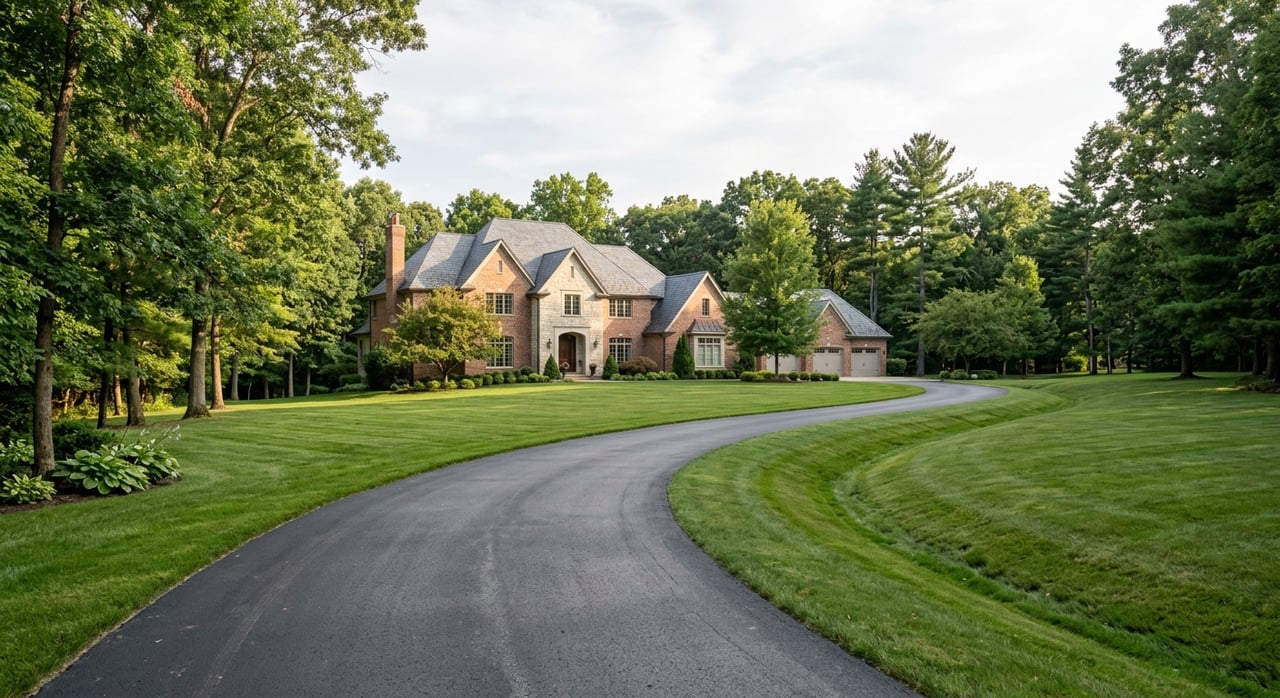
Springfield Township Acreage Homes: What Buyers Should Know
July 16, 2026
July 16, 2026
Buying acreage in Springfield Township can feel like you are finally getting the space and freedom you want, but more land does not always mean more usable land. If you are dreaming about a custom home, a barn, animals, or simply more privacy, it helps to know that zoning, access, water, wetlands, and drainage can shape what is actually possible. A smart acreage purchase starts with understanding the land beyond the listing photos, and that is exactly what this guide will help you do. Let’s dive in.
Springfield Charter Township has a distinctly rural residential pattern in Oakland County. The township’s zoning for one-family residential districts is designed to support one-family homes and related uses that fit a rural residential environment, including animal keeping.
That makes Springfield Township especially appealing if you want elbow room, natural surroundings, or property with more flexibility than a typical suburban lot. At the same time, the township’s master plan points to upland terrain, steep slopes near the Clinton River corridor, and major wetland and lake systems, including Huron Swamp.
The takeaway is simple: acreage value is about more than lot size. Drainage, environmental features, road access, and zoning standards all affect how a parcel can be used now and in the future.
One of the biggest surprises for buyers is that gross acreage and buildable acreage are not the same thing. Springfield Township’s zoning schedule sets minimum lot size, lot width, setbacks, and maximum lot coverage, all of which can reduce your actual building envelope.
For example, the current zoning schedule lists minimum lot sizes of 2.5 acres in R-1-A, 1.5 acres in R-1, 1 acre in R-2, 0.5 acre in R-3, and 10 acres in RC. It also applies dimensional standards like minimum width and lot-coverage limits, such as 330 feet minimum width and 5 percent maximum lot coverage in RC, and 165 feet minimum width and 15 percent maximum lot coverage in R-1-A.
That means two parcels with the same acreage may offer very different building options. A parcel can look generous on paper but still have a tighter usable footprint once setbacks, width standards, and coverage limits are applied.
Before you write an offer, ask for the parcel’s exact zoning district and verify:
This step can save you from buying land that does not fit your plans.
If your vision includes horses, small livestock, poultry, or a detached barn or garage, Springfield Township’s rules deserve close attention. The township states that its one-family districts are intended to be compatible with a rural residential environment that includes the keeping of animals, but that does not mean every parcel allows every use.
Residential-animal standards include acreage thresholds for small livestock, large livestock, horses, and poultry. Accessory buildings are also regulated by parcel size, setbacks, and compatibility rules.
On parcels over 5 acres, total accessory floor area may reach 5,400 square feet. Still, structure placement matters, and a side entrance generally triggers a 30-foot side-yard setback.
If you plan to run a business from home, there are limits there too. Home occupations are allowed only when they are clearly incidental and secondary to the dwelling.
If you want more than just a house on acreage, make sure you confirm:
Acreage buyers are often drawn to properties with ponds, streams, wetlands, or river frontage. Those natural features can be beautiful, but they can also shrink the buildable area.
In Springfield Township, if a parcel abuts a lake, stream, pond, river, or other body of standing water, there is a required 50-foot setback from the ordinary high-water mark. That standard also applies to wetlands with intermittent ponding.
This can affect where you place a home, garage, barn, deck, or future addition. On some parcels, the most attractive part of the land may also be the part with the fewest building options.
Access is one of the most important parts of evaluating acreage in Springfield Township. Township rules require lots and parcels to front on a public road accepted for maintenance by the county road commission, or on a township-approved private street in a condominium development.
That sounds straightforward, but acreage properties can be more complicated when they involve newly created lots, long access strips, or site condominium arrangements. A 5-acre newly created lot that does not meet minimum width requirements may be allowed with a 20-foot access strip, but the strip cannot be built on, is limited to 660 feet, and the township may require a driveway before processing the land division.
If the parcel is part of a site condominium, the township treats each condo lot as the equivalent of a single lot. The condominium documents must also address maintenance for roads, stormwater, sanitary sewer, and water facilities.
Before moving forward, make sure you know:
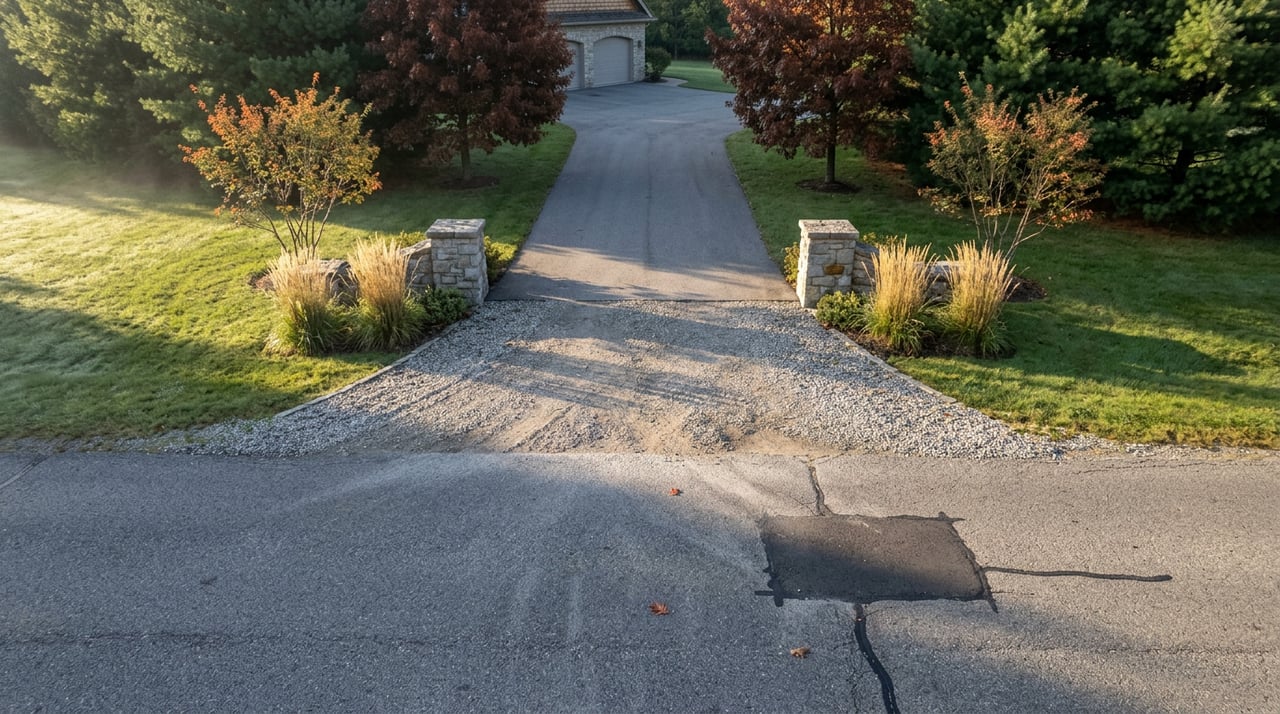
Long driveways are part of the appeal of acreage, but they can also add cost. If your driveway connects to a county road, the Road Commission for Oakland County requires a residential driveway permit.
Its standards address driveway width, drainage, culverts, surfacing, and grade. On a rural parcel, those engineering and installation details can make a real difference in your upfront budget.
Winter access is another practical issue to consider. The road commission plows county roads and state highways, so access conditions may differ depending on whether the road serving the property is county-maintained or private.
Utilities are never something to assume on acreage. Oakland County states that Springfield Township is served by the county-operated Bavarian/Softwater well-water system, and the county’s Water Resources Commissioner oversees water quality for that system.
At the same time, some properties may rely on a private well and septic system. The Oakland County Health Division requires permits for private wells and on-site sewage disposal systems, so buyers should confirm the setup for the specific parcel they are considering.
This matters for inspections, replacement costs, and future upgrades. A property on county-operated water may involve a different set of considerations than one using private well and septic service.
Ask these questions before you get too far into the process:
Natural beauty is one of Springfield Township’s biggest draws, but it comes with real planning considerations. Township standards emphasize minimizing clearing and grading of woodlands and native vegetation while taking floodplain, steep slopes, and wetlands into account during site design.
In some cases, a landowner may be required to provide stormwater retention, surface drainage to wetlands, or other protective measures. If that happens, maintenance is at the landowner’s expense under a recorded agreement.
The township also maintains a resource protection overlay district and a priority resource protection map tied to Michigan Natural Features Inventory studies. For buyers, this means wooded, sloped, or wet acreage can be attractive, but it may also come with added design review, reduced clearing options, or ongoing maintenance obligations.
Before paying for a full survey or engineering work, do a practical first review of the parcel using:
These tools are a smart first pass, but they are not the same as a final site determination.
When you buy acreage in Michigan, the future tax bill may not match the seller’s current tax amount. Michigan transfer-of-ownership rules generally uncap taxable value in the calendar year after a sale.
That means your annual taxes can rise after closing. It is an important budget item, especially on higher-value homes or larger parcels where carrying costs matter.
If you are considering acreage in Springfield Township, keep this checklist handy:
Acreage can be a great fit if you want privacy, flexibility, and room to grow. The key is making sure the land supports your goals before you commit.
When you have the right guidance, it becomes much easier to separate a beautiful parcel from a truly workable one. If you are exploring land, homes with acreage, or a move within Oakland County, Sally Hendrix can help you evaluate the details that matter most.
We are dedicated to helping you find your dream home and assisting with any selling needs you may have. Contact us today to start your home searching journey!