Downtown Clarkston Living Guide for Homebuyers
February 5, 2026
February 5, 2026
What if your favorite café, dinner spot, and weekend events were a short stroll from your front door? If you’re eyeing the Clarkston area, living near downtown offers a classic village lifestyle with modern conveniences. You get walkable streets, historic character, and easy access to parks and lakes across northern Oakland County. In this guide, you’ll learn what daily life looks like, the homes you’ll find, key trade-offs to consider, and practical steps to buy with confidence. Let’s dive in.
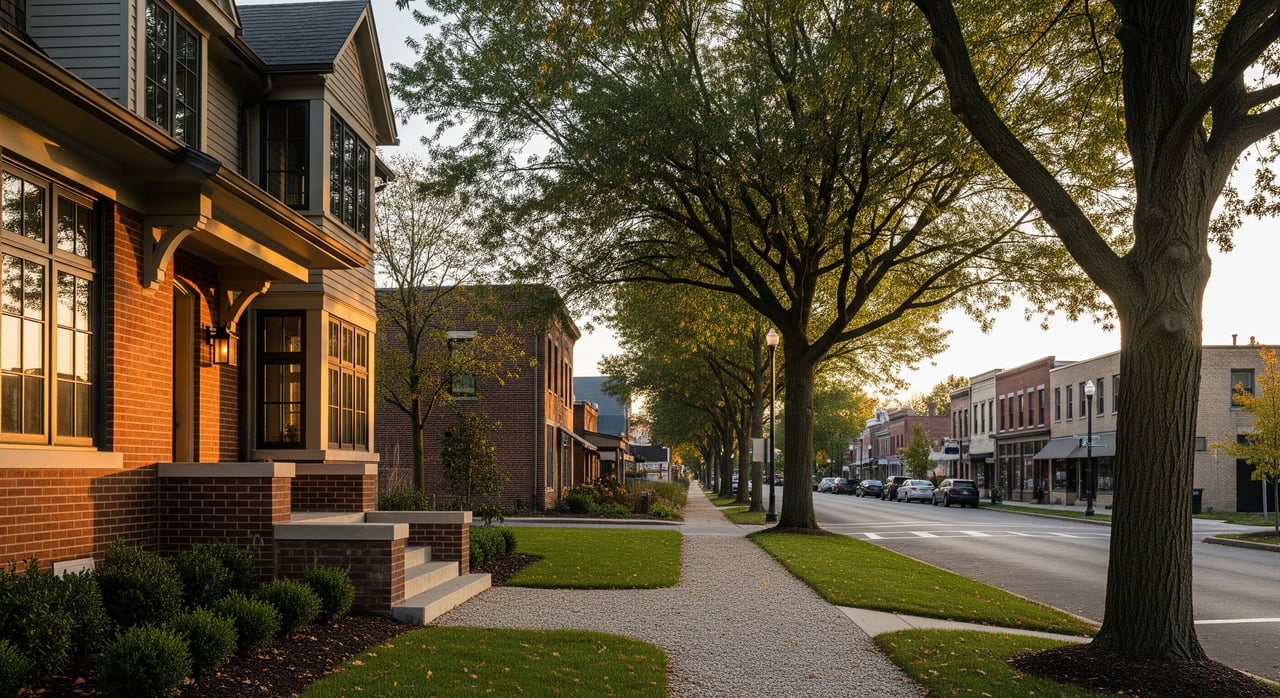
Downtown Clarkston is a small, historic village center with local shops, restaurants, and services clustered around a charming main street and a mill pond setting. The vibe is relaxed and friendly. You can grab coffee, browse a boutique, and meet friends for dinner without getting in the car.
Many nearby neighborhoods sit within a half-mile to two miles of downtown. If you live a bit farther out, you can still be on Main Street after a short drive. The combination of village walkability and suburban convenience is a big reason buyers choose this area.
Sidewalks, crosswalks, and compact blocks make short errands simple. You’ll find cafés, taverns, sit-down restaurants, salons, professional services, and specialty food shops within a few blocks. Parking is straightforward when you do drive, and many residents walk for dining and quick shopping.
Seasonal events add energy and variety. Expect farmers markets in warmer months, live music or outdoor gatherings, and holiday celebrations that draw neighbors downtown. Schedules evolve every year, so check the Village, Chamber of Commerce, or downtown business association calendars when you plan.
You’re close to lakes, ponds, and green spaces where you can walk, picnic, or paddle. Trails and regional parks across Oakland County make it easy to spend time outside. For detailed park maps, programming, and facilities, review Oakland County Parks & Recreation resources before you go.
You can choose from historic single-family homes, mid-century ranches, newer subdivisions within a short drive, and low-maintenance condos or townhomes. Your decision comes down to lifestyle, upkeep, and how close you want to be to Main Street.
If you love character, older homes near the core offer period details like woodwork, front porches, and unique floor plans. Lots tend to be smaller with mature trees, and garages or parking can vary by property. Plan for thoughtful inspections that address older systems, insulation, and potential environmental concerns like lead paint in very old structures.
If you want walkability without yard work, condos and townhomes can be a smart fit. Some buildings are newer, while others may be in converted historic structures. Review HOA rules, monthly dues, reserve funding, and parking policies. Proximity to downtown can carry a premium, and some communities may have special assessments.
Just beyond the village streets, you’ll find mid-century ranches and post-1980 subdivisions. These homes usually offer larger lots, attached garages, and modern systems. They are typically a short drive to downtown, which balances space and convenience.
Prices shift with market conditions and the property’s age, size, and location. Historic homes near the core often command a premium for character and proximity, while condos and townhomes vary based on features and HOA fees. For a current snapshot of median prices, days on market, and inventory, review your agent’s MLS data and confirm the date on any numbers you use to plan your budget.
Residents use I-75 for regional access and commutes to nearby employment centers. Many buyers work in areas like Troy, Auburn Hills, and Farmington Hills and plan routes using I-75, M-59, and other arterials. Public transit is limited in much of suburban and exurban Oakland County, so most households rely on cars. Check current road conditions and travel times with mapping tools before you tour homes, especially if you commute during peak hours.
Neighborhoods in and around the village are served by Clarkston Community Schools. Attendance zones can shift over time, so confirm the assigned schools for any property using the district’s boundary maps. For performance indicators and program details, consult the district and state education data sources directly. Use neutral, current data to guide your decision and verify everything for your specific address.
Some properties near the village connect to municipal water and sewer, while homes in adjacent township areas may use well and septic systems. Confirm service type, age of systems, and any special assessment districts before you make an offer. Property taxes vary by municipality, school district, and assessed value, so check estimates with Oakland County and the local assessor for accurate numbers.
Homes close to ponds, creeks, or rivers can have localized flood risk. Protect yourself by checking FEMA flood maps, county drain commissioner records, and any available flood history for the property. If a home sits in a flood zone, your lender may require flood insurance, so factor that into your budget.
If a home lies within a designated historic district or an area with design review standards, exterior changes may require approval. Before you plan a porch rebuild, window replacement, or exterior paint scheme, consult the village’s zoning and preservation guidelines. This upfront check keeps your project compliant and saves time.
Condos and townhomes almost always have homeowners associations. Single-family homes in traditional village blocks typically do not, though some newer subdivisions outside the core do. Ask for HOA bylaws, dues, reserves, and any special assessments early in your review so you understand total monthly costs and rules.
As a boutique mother and son team based in Clarkston, we combine local insight with hands-on buyer representation. We help you compare neighborhoods, evaluate trade-offs, and secure the right home with confidence. From on-the-ground touring to trusted contractor referrals and data-backed pricing, we guide every step with clarity.
If you’re ready to explore homes near downtown Clarkston, reach out to Sally Hendrix for personalized guidance and next steps.
We are dedicated to helping you find your dream home and assisting with any selling needs you may have. Contact us today to start your home searching journey!